After property damage, one of the biggest concerns is whether you can continue living in your home while repairs are carried out.
The answer depends on the type and extent of the damage, as well as the work required to restore the property safely. In some cases, remaining in the property is possible. In others, temporary accommodation may be necessary.
When You Can Stay in Your Home
For smaller or more contained repairs, it is often possible to remain in the property.
This may be the case when:
- Damage is limited to one area or room
- Essential services such as water, heating, and electricity are still functioning
- Repair works can be carried out in phases
In these situations, contractors may isolate the affected areas and work around you to minimise disruption.
When You May Need to Leave
In more serious cases, it may not be safe or practical to stay in the property.
This can include:
- Significant fire or structural damage
- Extensive water damage requiring full strip-out and drying
- Loss of essential services such as electricity or heating
- Health risks from smoke, soot, or mould
In these circumstances, your insurer may arrange temporary accommodation while repairs are carried out.
Temporary Accommodation
If your home is not safe to live in, most insurance policies include cover for alternative accommodation.
This may involve:
- Staying in a hotel
- Renting a temporary property
- Short-term accommodation arranged by your insurer
The aim is to ensure you can continue your day-to-day life while your home is being restored.
Managing Repairs While Living at Home
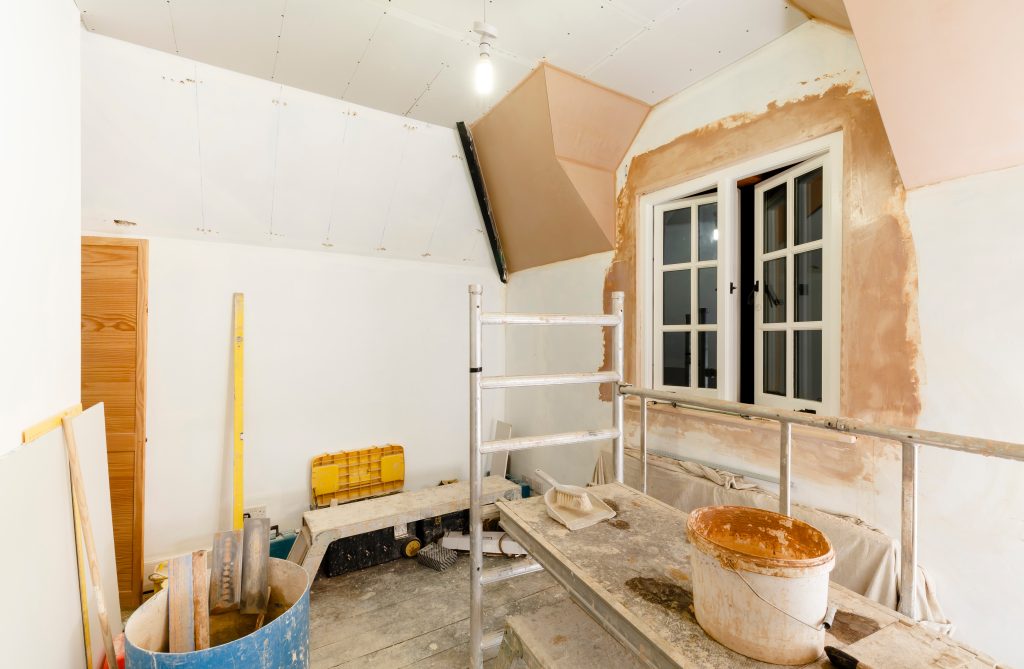
If you remain in the property, there will still be some disruption.
You may experience:
- Noise from repair works
- Restricted access to certain rooms
- Temporary loss of facilities such as kitchens or bathrooms
Clear communication with your contractor can help manage expectations and plan works in a way that reduces inconvenience.
Health and Safety Considerations
Even if it is possible to stay, health and safety should always be considered.
Dust, noise, and ongoing works can impact daily life. In some cases, temporary relocation may still be the more practical option, even if it is not strictly required.
What Should You Do?
If you are unsure whether you can stay in your home:
Speak to your insurer or loss adjustor
Discuss the situation with your contractor
Consider both safety and practicality
Each situation is different, and the right decision will depend on the specific circumstances of the damage and the repair process.
Final Thoughts
Whether you can stay in your home during repairs depends on the scale of the damage and the work involved.
Understanding your options — and planning ahead — can help reduce stress and ensure the process is as smooth as possible.
Optional closing line
If you’re unsure what’s best for your situation, speaking to a specialist can help you understand your options and plan the next steps with confidence.